A sticky craft table at 9 a.m. can become a hygiene issue by noon when several groups of children have used it, eaten nearby, and touched shared toys. Essential daycare cleaning requirements are not simply about making a centre look orderly. They help reduce the spread of illness, protect children and staff, and give families confidence that their children are spending the day in a cared-for space.
For daycare operators, the practical challenge is consistency. A deep clean once in a while cannot replace the small, reliable cleaning tasks that happen between activities, after meals, and at the end of each day. The right plan separates routine cleaning from disinfection, assigns responsibility clearly, and gives high-touch areas the attention they need.
What Essential Daycare Cleaning Requirements Cover
Daycare cleaning requirements vary by licence type, municipal rules, and local public health guidance. A centre in Mississauga or elsewhere in the Greater Toronto Area should always confirm its current obligations with the appropriate local authority. Still, most effective programs cover the same core areas: classrooms and playrooms, washrooms and diapering stations, food preparation and eating spaces, entrances, staff areas, and outdoor play equipment.
The standard should be practical and visible. Floors should be free of debris and spills, washrooms should be stocked and sanitary, touchpoints should not feel grimy, and supplies should be stored safely away from children. Equally important, staff need a routine that is realistic during a busy day of arrivals, meals, naps, activities, and pick-ups.
Cleaning and disinfecting are different jobs
Cleaning removes dirt, food residue, dust, and many germs from a surface. Disinfecting uses an appropriate product to kill or inactivate germs after the surface has been cleaned. When a table is visibly soiled, disinfectant alone is not the answer. Soil can prevent it from working as intended.
Use products suitable for child-care settings, follow the manufacturer’s dilution, contact-time, and ventilation instructions, and never mix chemicals. Eco-friendly options can be a good fit for routine cleaning when they meet the required cleaning purpose, but a product’s label and safe use instructions still matter. Store all supplies in a locked or otherwise inaccessible area.
Build a Schedule Around How the Centre Is Used
A daycare stays clean when the schedule follows the flow of the day rather than relying on a single closing shift. Daily tasks protect the busiest surfaces; weekly work deals with buildup; periodic detailed cleaning reaches the areas that routines can miss.
During the day: respond quickly to high-risk areas
Spills, bodily fluids, food messes, and visible soil need prompt attention. Staff should have clear procedures for isolating the area, wearing appropriate protective equipment where required, cleaning and disinfecting safely, and disposing of waste correctly.
High-touch surfaces deserve frequent attention throughout the day. This includes door handles, light switches, handrails, cubby handles, tables, chair backs, taps, toilet flushes, changing-station handles, and shared learning materials. How often these are cleaned depends on the number of children, the activity, and illness levels in the centre. A busy toddler room generally needs more frequent touchpoint cleaning than a quiet administrative office.
Hand hygiene supports every other cleaning measure. Make handwashing easy to supervise, maintain stocked soap and paper-towel dispensers, and keep sinks clean enough that staff and children can use them comfortably.
At closing: reset rooms for the next morning
End-of-day cleaning should leave every classroom ready for a fresh start. Tables, chairs, counters, sinks, floors, washrooms, diapering areas, and garbage stations should all be addressed. Food crumbs under furniture, spills beneath shelving, and residue around chair legs are easy to miss during a rushed close, so a simple room-by-room checklist is useful.
Waste should be removed daily, especially from washrooms, food areas, and diapering spaces. Bins need liners, tight-fitting lids where appropriate, and regular cleaning inside and out. A bin that smells or has residue around the rim creates an immediate negative impression for staff and parents.
Weekly and monthly: prevent buildup
Weekly tasks often include more detailed floor care, cleaning lower walls and doors, wiping shelving, laundering soft furnishings as appropriate, and cleaning the exterior of appliances. Monthly or scheduled detailed work may include vents, baseboards, high shelving, blinds, interior windows, storage rooms, and hard-to-reach areas behind furniture.
The exact frequency depends on traffic, season, and the building layout. During wet winter weather, entrance floors and mats may need several checks each day. In a centre with a commercial kitchen or a large indoor play structure, more specialized cleaning may be needed as well.
Give Extra Attention to Toys, Soft Items, and Shared Equipment
Toys move quickly between hands, mouths, tables, and floors. They need a routine that fits how children actually play. Hard, washable toys should be cleaned and disinfected at an appropriate frequency and immediately when mouthed, visibly soiled, or involved in an illness incident. Keep enough duplicate toys available so items can be removed for cleaning without disrupting the room.
Soft toys, dress-up clothes, blankets, and washable fabric items should be laundered regularly and whenever soiled. Items that cannot be effectively cleaned should be used carefully or avoided in rooms where mouthing is common. Sensory tables, water-play equipment, and art tools also need clear cleaning procedures because they are shared frequently.
Outdoor equipment is sometimes overlooked. Check rails, climbing structures, ride-on toys, and handles for dirt, bird droppings, standing water, and damage. Cleaning outdoor surfaces is not only about appearance – it helps staff spot maintenance concerns before they become safety concerns.
Washrooms, Diapering Stations, and Food Areas Need Separate Standards
These areas create the highest risk if routines are unclear. Washrooms should be cleaned and disinfected regularly, with extra attention to toilets, flush handles, taps, sinks, dispensers, door hardware, and floors. Stock levels matter as much as surface cleanliness. Running out of soap, paper towels, or toilet paper can undermine an otherwise careful cleaning program.
Diapering stations require a defined sequence: prepare supplies, supervise the child, dispose of waste correctly, clean and disinfect the station, and complete hand hygiene. Keep diapering supplies separate from food and activity materials. Staff should never have to improvise because the proper supplies are missing.
Food preparation and eating spaces require their own discipline. Clean food-contact surfaces before and after use with products appropriate for those surfaces, and manage dishwashing, refrigerator cleaning, and waste removal on a documented schedule. A classroom snack table may look similar to an activity table, but it should be treated with the higher standard required for food service.
Make Accountability Easy for Staff and Cleaning Partners
A good daycare cleaning program is documented without becoming burdensome. Use short checklists that identify the area, task, frequency, responsible person, and completion time. This gives supervisors a reliable way to confirm that work was done and helps new staff follow the same process from their first shift.
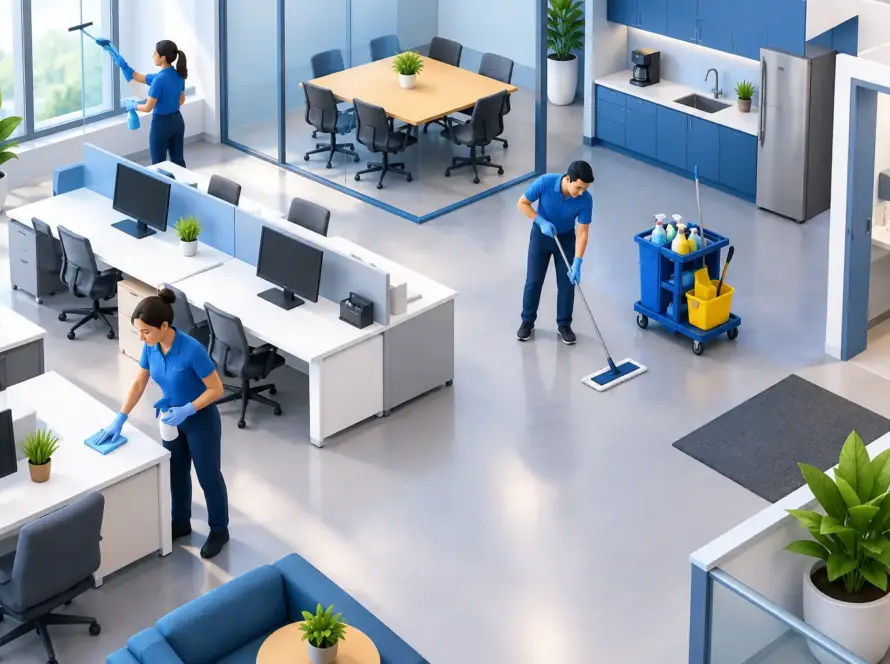
Professional cleaning support can make a significant difference after hours, particularly for floors, washrooms, common areas, offices, entrances, and detailed periodic cleaning. The key is defining the handoff clearly. Centre staff may manage real-time spills, toys, and classroom resets, while a trained commercial cleaning team handles scheduled nightly or weekly work. Clean and Tidy can tailor recurring commercial cleaning around a centre’s operating hours and specific priorities, with insured professionals and flexible scheduling.
Before bringing in any provider, confirm who supplies products, how keys or access codes are handled, which areas require special instructions, and how issues are reported. A reliable cleaning partner should make the process easier for your team, not create another task to manage.
Use Cleaning Records to Build Parent Confidence
Families may not ask to see a cleaning log, but they notice the results. Clean entrances, fresh washrooms, orderly classrooms, and well-maintained shared spaces communicate care before a conversation begins. Records also help operators identify patterns, such as recurring washroom supply shortages, a classroom that needs additional service, or seasonal pressure on entryways.
When illness is circulating, increase cleaning of high-touch surfaces and follow public health direction for any additional measures. Avoid promising that any cleaning program can eliminate all illness. Children naturally share close spaces and germs can spread in many ways. What a consistent cleaning plan can do is reduce avoidable exposure and give staff a dependable process to follow.
A daycare should feel lively, not sterile. With clear essential daycare cleaning requirements, the right products, and a schedule that matches the pace of care, your team can keep the focus where it belongs: on safe, comfortable days for children and peace of mind for the families who trust you.