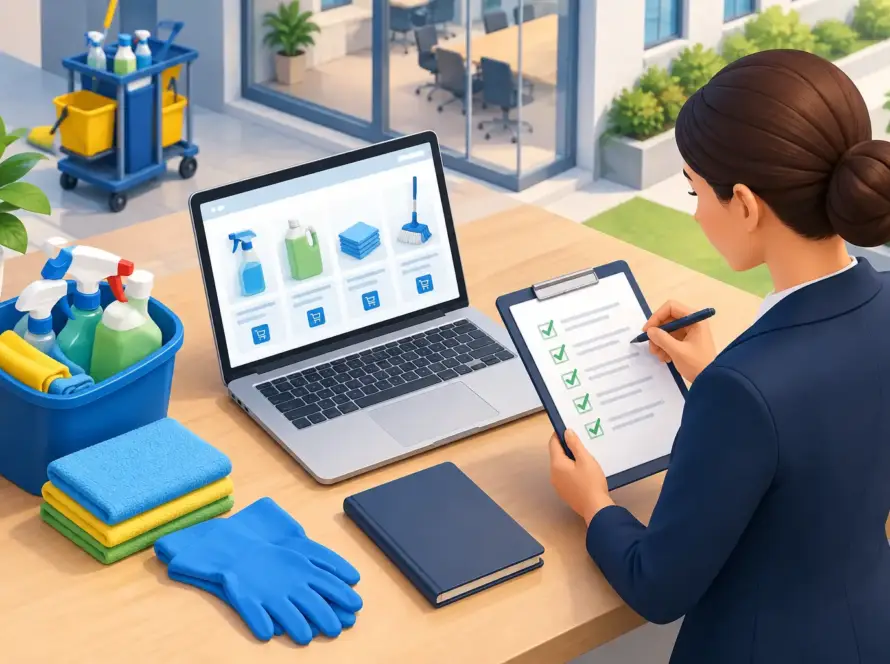
A shared keyboard at reception, a meeting room used back-to-back, a kitchen counter after lunch – these are the everyday touchpoints that can make seasonal illness harder to contain. To prepare office for flu season, businesses need more than a box of tissues in the break room. They need a clear plan that supports employees, protects visitors and keeps the workplace looking cared for.
For office managers and business operators, the goal is not to create an overly clinical workplace. It is to make healthy habits easy, keep high-contact areas consistently clean and respond quickly when illness affects the team. A reliable recurring cleaning schedule provides the foundation, while simple workplace policies help everyone do their part.
Start With the Areas People Touch Most
Flu viruses and other respiratory illnesses can spread through close contact and respiratory droplets. While surface cleaning is only one part of prevention, high-touch areas deserve more attention during flu season because many hands use them throughout the day.
Walk through your office as an employee or visitor would. Note the places where people arrive, share equipment, prepare food and move between spaces. Door handles, elevator buttons, light switches, reception counters, washroom fixtures, shared keyboards, printer controls and meeting-room tables should be part of the regular cleaning plan.
A professional office cleaning team can build these details into a recurring service rather than treating them as occasional extras. The right frequency depends on your space. A small office with a few staff members may be well served by weekly cleaning and a simple daytime wipe-down routine. A busy workplace, customer-facing business or shared commercial building may benefit from daily service, especially for washrooms, kitchens and reception areas.
Know the Difference Between Cleaning and Disinfecting
Cleaning removes visible dirt, dust and spills from a surface. Disinfecting uses an appropriate product to reduce germs on a cleaned surface. Both have a place in a flu-season routine, but they should be used thoughtfully.
Disinfecting every square metre of an office every day is not always necessary or practical. Focus on high-contact points and shared spaces, particularly after a busy day, a large meeting or a known illness concern. Product directions matter: a disinfectant needs to remain on the surface for its stated contact time to work as intended.
For general upkeep, regular cleaning keeps the office fresh, presentable and easier to maintain. It also prevents the buildup of grime that can make disinfecting less effective. If your workplace prefers eco-friendly or pet-friendly cleaning products, discuss the request with your cleaning provider and choose products that suit the setting and required level of sanitation.
Prepare Your Office for Flu Season With Better Supplies
A well-stocked office gives employees and visitors a practical way to follow healthy habits without interrupting their workday. Supplies should be visible and easy to reach, not stored in a locked cabinet across the building.
Keep hand soap, paper towels and toilet paper replenished in every washroom. Place hand sanitizer near entrances, reception desks, kitchens, meeting rooms and shared equipment where a sink is not nearby. Tissues and lined waste bins should be available in common areas, with bins emptied often enough that they do not overflow.
It also helps to keep disinfectant wipes or approved cleaning spray available for employees to use on shared desks and equipment. However, do not make individuals solely responsible for workplace cleanliness. Staff can handle quick spot-cleaning between uses, while trained cleaners should manage the deeper, scheduled work that keeps the office consistently hygienic.
Give Shared Equipment a Clear Routine
Shared devices are easy to overlook because they are used in short bursts. A photocopier, point-of-sale terminal, boardroom remote or communal headset may pass through many hands in a single day.
Create a simple expectation: wipe high-touch equipment after use when supplies are provided, and include these items in the professional cleaning checklist. For sensitive electronics, use manufacturer-approved products and avoid spraying liquid directly onto screens, keyboards or controls. Clear instructions prevent damage while helping employees feel confident using shared tools.
Make Illness Policies Supportive and Clear
No cleaning program can replace a workplace culture that allows people to stay home when they are unwell. Employees are more likely to make the right call when expectations are clear and managers respond with understanding rather than pressure.
Review your attendance, sick-day and remote-work policies before flu season peaks. Let employees know who to contact if they become ill, how work can be reassigned and whether remote work is possible for their role. If someone develops symptoms at work, have a respectful plan for helping them leave without embarrassment or unnecessary disruption.
Keep communications straightforward. Remind the team to wash hands regularly, cover coughs and sneezes, avoid sharing drinkware and stay home when sick. You may also encourage staff to follow current public health guidance and speak with a health-care professional about seasonal vaccination where appropriate. Avoid asking employees to disclose personal medical details beyond what is necessary for workplace administration.
Keep Kitchens, Washrooms and Reception Guest-Ready
These three areas shape how people experience the condition of your workplace. During flu season, they also require closer attention because they combine frequent touchpoints with constant traffic.
In the kitchen, clean counters, sink fixtures, appliance handles, tables and coffee stations regularly. Encourage employees to label and remove food, wash dishes promptly and avoid leaving used mugs or utensils in shared areas. A tidy kitchen is easier to clean properly and more pleasant for everyone using it.
Washrooms need dependable servicing, not just occasional checks. Refill soap and paper products before they run out, empty bins, clean fixtures and disinfect the handles and surfaces people touch most often. A poorly maintained washroom immediately affects employee confidence and can leave visitors with the wrong impression of your business.
Reception deserves the same care. Clean glass doors, front-desk counters, payment terminals, seating arms and sign-in devices. This is where clients, delivery partners and job candidates form an early impression. A fresh, well-maintained entrance tells them that your business pays attention to the details.
Adjust Cleaning Frequency When Conditions Change
A fixed schedule is useful, but flu season sometimes calls for flexibility. If several employees are away sick, your office hosts an event or foot traffic rises, increase attention to high-touch areas and common spaces. It is often easier and more cost-effective to adjust a recurring service than to wait until the office feels neglected.
Ask your cleaning provider how they handle service changes, supply replenishment and special requests. A dependable partner should be able to tailor the checklist to your layout, traffic level and business hours. Insured, trained professionals also bring consistency to the work, so tasks are not missed when your internal team is busy.
For offices in Mississauga and across the Greater Toronto Area, winter weather can add another layer of mess. Moisture, salt and dirt tracked through entrances can affect both cleanliness and safety. Regular floor care, entry mat cleaning and prompt attention to spills help keep the office cleaner while reducing slip hazards.
Set Expectations Without Adding More Work
The best flu-season plan fits into the normal rhythm of the office. Avoid lengthy rules that no one will remember. A short email, a few signs near washrooms and kitchens, and a visible supply station can make expectations clear.
Managers should also lead by example. When leaders stay home while ill, clean up shared spaces and respect others’ personal space, the message carries more weight than any poster. The result is a workplace that feels considerate rather than restrictive.
Clean and Tidy can help businesses build a customized recurring office cleaning plan around their highest-priority spaces, from daily commercial cleaning to weekly or bi-weekly service. The practical benefit is peace of mind: your team can focus on work while trained professionals keep the workplace fresh, detailed and ready for the people who rely on it.
A prepared office is not one that tries to eliminate every risk. It is one where clean, well-supplied spaces and thoughtful policies make it easier for people to work comfortably, look after one another and keep the business moving through the season.