


A receptionist opens the front door, a team member starts the coffee maker, and several hands press the meeting-room light switch before 9 a.m. These small, repeated actions are why it pays to clean high touch office surfaces with a clear routine, not only as part of an occasional deep clean. For office managers, dependable attention to these areas helps maintain a fresher, more professional space that employees and visitors can feel confident using.
High-touch cleaning is not about making an office smell strongly of disinfectant. It is about identifying the surfaces people contact most often, cleaning them correctly, and doing so at a frequency that matches how your workplace actually operates.
What Counts as a High-Touch Office Surface?
High-touch surfaces are the shared points of contact that can collect fingerprints, oils, dust, food residue, and germs throughout the workday. They are easy to overlook because they are often small, but they influence how clean an office feels almost immediately.
In most workplaces, the priority areas include:
- Door handles, push plates, locks, entry buzzers, and elevator buttons
- Light switches, thermostat controls, printer buttons, and shared technology controls
- Reception counters, meeting-room tables, chair arms, and handrails
- Kitchen taps, refrigerator handles, microwave buttons, coffee-machine controls, and cupboard pulls
- Washroom flush handles, stall locks, faucets, soap dispensers, and paper-towel dispensers
The exact list depends on the layout of your office. A medical-adjacent office, busy showroom, coworking space, or client-facing reception area will generally need more frequent attention than a quiet back-office suite with a small team. The goal is to focus cleaning time where it has the greatest practical impact.
Clean High Touch Office Surfaces in the Right Order
The first step is cleaning, which removes visible soil and residue. The second, when appropriate, is disinfecting. These are not interchangeable. Applying disinfectant to a surface that is visibly dirty may not deliver the result you expect, while cleaning alone may be enough for low-use areas that are not shared frequently.
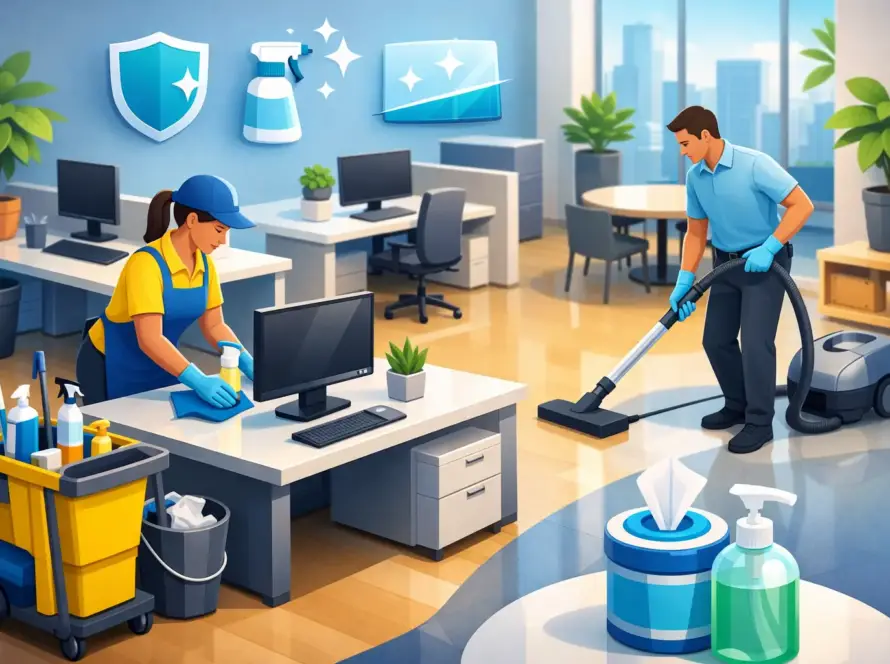
Start with the cleaner office areas and move toward kitchen and washroom spaces. This reduces the chance of transferring soil from one area to another. Use clean, colour-coded microfiber cloths where possible, with separate cloths for washrooms, kitchen areas, and general office surfaces. Microfiber is useful because it captures fine dust and residue effectively without leaving excessive lint behind.
For electronics such as phones, keyboards, touchscreens, and printer panels, follow the manufacturer’s guidance. Spraying liquid directly onto a device can cause damage. Instead, apply an approved product to a cloth first, then wipe gently. A professional office cleaning team will also know when a product is suitable for glass, stainless steel, wood finishes, laminate, or electronic equipment.
If disinfecting is part of your office cleaning plan, the product must remain wet on the surface for the contact time shown on its label. Wiping it away immediately may reduce its effectiveness. This is one reason a rushed pass with a spray bottle is not the same as a well-managed cleaning routine.
Do not forget shared work tools
Shared desks may receive attention, but shared tools can be missed. Think of photocopier touchpads, conference-room remotes, office phones, headset controls, delivery scanners, shared tablets, and key fobs. These items may be used by several people in a single day and should be included in the same cleaning schedule as other touch points.
Personal desks are slightly different. Employees can help keep their own keyboards, phones, and workstations tidy, while a commercial cleaning program handles common surfaces and follows agreed access rules. Clear expectations prevent clutter or confidential materials from becoming an obstacle to consistent cleaning.
Choose a Frequency That Fits Your Office
There is no single schedule that suits every workplace. Cleaning every high-touch surface once a week may be reasonable for a small office with limited traffic, but it is unlikely to be enough for a busy workspace with visitors, shared kitchens, and daily meetings.
A practical approach is to divide tasks by frequency. Entry points, washroom fixtures, kitchen controls, reception counters, and shared equipment commonly need daily attention in active offices. Meeting-room surfaces and commonly used switches may also benefit from daily cleaning, particularly when rooms are booked throughout the day.
Weekly service can cover less frequently touched fixtures, detailed wipe-downs of furniture, baseboards around shared areas, and a more thorough clean of workstations where access is permitted. Bi-weekly or monthly visits can work for lower-traffic workplaces, but a customized schedule is often the better choice when usage varies by day.
Consider the patterns that affect your space: the number of employees on-site, visitor traffic, shared desks, lunchroom use, public-facing services, and the number of washrooms. Seasonal illness, special events, and construction nearby can also justify extra attention. A flexible cleaning partner can adjust the plan instead of asking your team to make do with a routine that no longer fits.
Why Consistency Matters More Than Occasional Deep Cleaning
A deep clean has its place. It can refresh neglected areas, address buildup, and prepare an office for a move, event, or change of season. But it cannot replace the steady care of high-touch points. A spotless floor will not offset greasy door handles, marked glass, or a kitchen appliance covered in fingerprints.
Consistent cleaning supports employee comfort and helps your office present well to clients, candidates, suppliers, and building visitors. It also reduces the friction of everyday workplace management. When bins are emptied, washrooms are maintained, and shared surfaces are properly cleaned, staff are less likely to spend time dealing with preventable complaints or last-minute cleaning tasks.
There is also a trust element. People notice the condition of the spaces they use repeatedly. A clean reception counter and well-maintained washroom signal that the business pays attention to details. That impression matters whether you manage a small professional office or a larger commercial property.
Common Mistakes That Undercut Office Cleaning
One common mistake is relying on a single disposable wipe for multiple rooms. This can spread residue rather than remove it. Another is using too much product, which can leave streaks, sticky surfaces, or a strong scent that makes the office less comfortable.
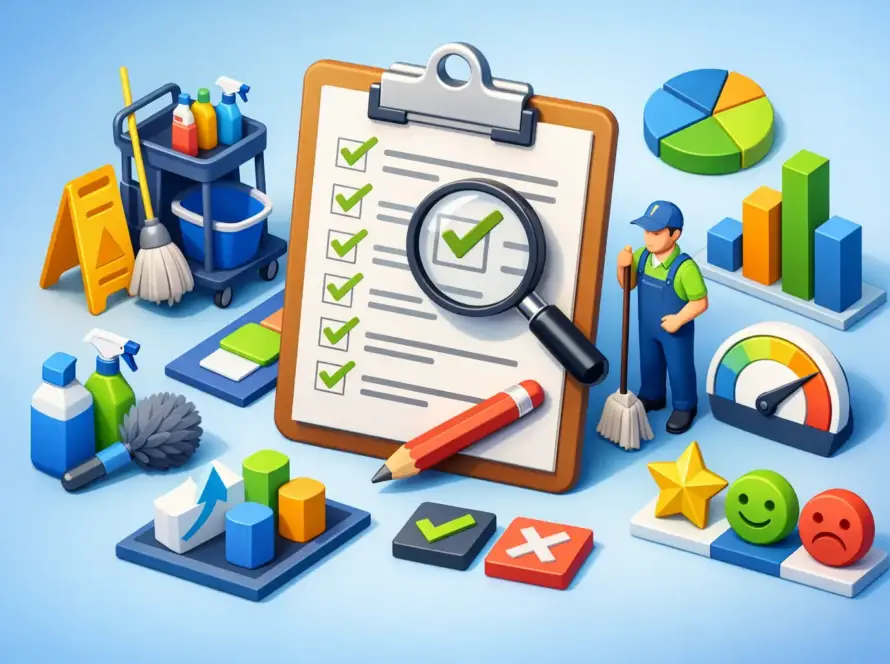
Skipping contact time is another frequent issue, as is cleaning only what looks dirty. High-touch points do not always show obvious marks, especially matte finishes and dark hardware. A checklist helps ensure less visible surfaces such as switch plates, chair arms, intercoms, and cabinet handles are not missed.
Finally, office cleaning should not interrupt the workday unnecessarily. Early morning, evening, or weekend service often provides the best balance between thoroughness and convenience. The right schedule depends on building access, security requirements, staffing patterns, and the kind of work your team performs.
Build High-Touch Cleaning Into Your Office Plan
The most effective office cleaning program is clear, repeatable, and easy to adapt. Rather than leaving high-touch cleaning to whoever notices a problem first, assign it to a dependable schedule with documented priorities. This gives office managers visibility, helps employees know what to expect, and keeps standards consistent even during busy periods.
For workplaces in Mississauga and the Greater Toronto Area, Clean and Tidy can tailor recurring office cleaning around your traffic levels, hours, and shared spaces. Trained and insured professionals can provide daily, weekly, bi-weekly, or customized service, with eco-friendly options available on request and a satisfaction guarantee for added peace of mind.
A clean office should feel effortless for the people working in it. When high-touch surfaces receive the attention they need, your team can focus on the day ahead in a space that feels cared for, welcoming, and ready for business.

10 Comments
Comments are closed.