


A clean office can look polished at 9 a.m. and still need more attention after a busy week of shared desks, meeting rooms, washrooms, and lunch breaks. That is where disinfection versus routine office cleaning becomes a useful distinction for office managers. Both services support a professional workplace, but they solve different problems and should be planned differently.
Routine cleaning keeps the workplace presentable, orderly, and comfortable for employees and visitors. Disinfection is a targeted hygiene measure used to reduce germs on high-touch surfaces. Knowing when to use each helps you avoid paying for the wrong service while maintaining a space people feel good about coming into.
What Routine Office Cleaning Is Designed to Do
Routine office cleaning manages the visible, everyday condition of your workplace. It removes dust, crumbs, fingerprints, soil, and waste that build up through normal use. A consistent schedule also prevents small messes from becoming a larger operational distraction.
For most offices, this work includes vacuuming or mopping floors, emptying garbage and recycling, cleaning washrooms, wiping desks and common surfaces, tidying reception areas, and refreshing kitchens or break rooms. The exact scope should reflect how the space is used. A quiet professional office may need a different plan than a busy clinic administration area, showroom, shared workspace, or property management office.
The benefit is more than appearance. Clean floors reduce tracked-in dirt, clear kitchens are more pleasant to use, and well-maintained washrooms send a clear message that the business pays attention to its people. Regular cleaning also helps protect finishes, flooring, and furnishings from premature wear.
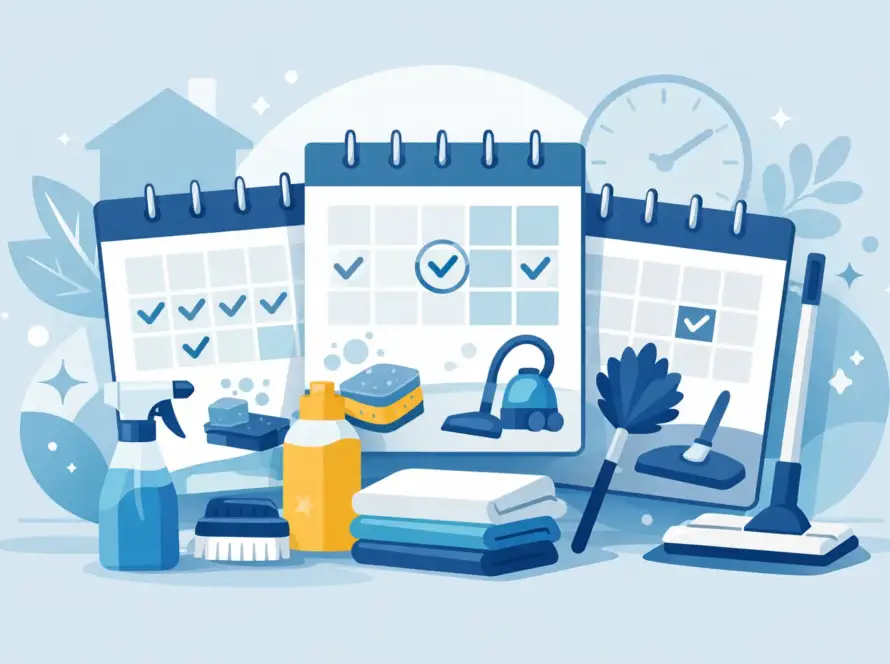
A daily, weekly, bi-weekly, or customized schedule can work depending on foot traffic, employee count, public access, and the type of work performed. There is no single schedule that fits every office. What matters is that the service is reliable enough to keep standards steady between visits.
What Office Disinfection Adds
Disinfection focuses on reducing microorganisms on surfaces after those surfaces have been properly cleaned. It is most relevant for frequently touched areas, including door handles, elevator buttons, light switches, shared keyboards, phone handsets, boardroom tables, washroom fixtures, appliance handles, and reception counters.
Cleaning and disinfection are related, but they are not interchangeable. If a surface is visibly dirty, a disinfectant may not work as intended because soil and residue can interfere with contact. The practical sequence is to clean first, then apply an appropriate disinfectant according to the product directions, including the required dwell time.
Disinfection is especially useful when illness is circulating in the workplace, after a known exposure, during seasonal respiratory illness peaks, or in settings with a higher volume of visitors and shared touchpoints. It can also be incorporated into a regular office cleaning plan for washrooms, lunchrooms, and other high-use areas where added hygiene support makes sense.
It is not always necessary to disinfect every square metre of an office at every visit. Overuse can add cost, increase chemical exposure, and take attention away from the surfaces that genuinely need it. A thoughtful program targets the areas with the highest contact and adjusts as workplace conditions change.
Disinfection Versus Routine Office Cleaning: Which Do You Need?
For a typical office week, routine cleaning is the foundation. It keeps your space fresh, removes everyday soil, and creates the professional environment employees and clients expect. Without it, disinfection alone will not address overflowing bins, dusty ledges, dirty floors, stained glass, or an untidy kitchenette.
Disinfection should be viewed as an added layer rather than a replacement for regular cleaning. It becomes more valuable when the risk of germ transfer is higher, when several people share equipment, or when your team has concerns about illness and hygiene.
Consider routine office cleaning as the dependable baseline for your workplace. Add targeted disinfection when usage patterns, health concerns, or your organization’s policies call for it. This approach is practical, responsible, and easier to budget for than treating every cleaning visit as an intensive disinfection service.
A few common workplace scenarios
A small office with assigned desks, limited client traffic, and a modest employee count may be well served by weekly or bi-weekly cleaning, with disinfection focused on washrooms, kitchen surfaces, and shared touchpoints.
A busy Mississauga or Greater Toronto Area office with rotating staff, frequent meetings, public reception, and shared workstations may benefit from daily cleaning plus regular touchpoint disinfection. High-traffic common areas can quickly lose their fresh, cared-for feel when service is too infrequent.
After an employee reports a contagious illness, a targeted disinfection visit may be appropriate. The focus should be on spaces they used and the high-contact surfaces around them, rather than assuming the entire building needs the same treatment.
Build a Plan Around How Your Office Actually Works
The best cleaning plan begins with a walkthrough, not an assumption. Your provider should ask how many people use the space, when the office is busiest, whether clients visit, which areas create the most mess, and whether there are shared desks or equipment. These details determine where time and attention will have the greatest impact.
High-touch disinfection can be scheduled alongside recurring cleaning, while deeper tasks can rotate through the month. For example, a regular program may cover floors, washrooms, waste, kitchen cleaning, and general surface care at every visit, with more detailed attention to baseboards, interior glass, upholstery, or hard-to-reach areas on a planned rotation.
Timing matters, too. After-hours service can reduce interruptions and ensure staff arrive to a clean, ready-to-work environment. Daytime cleaning may suit businesses that need washrooms, reception areas, or common spaces refreshed throughout operating hours. A flexible provider can help you choose the approach that causes the least disruption.
Look Beyond the Product Label
The quality of disinfection depends on more than choosing a product that says “disinfectant.” Proper application, dwell time, surface compatibility, and staff training all matter. Some materials require special care, and products should be used according to their instructions to avoid damage or ineffective results.
For routine service, the same attention to detail matters. Insured, trained cleaning professionals should follow a clear scope of work, use appropriate equipment for each surface, and show up consistently. Eco-friendly or pet-friendly product options may also be worth discussing if they fit your workplace preferences and cleaning needs.
A dependable cleaning partner should be comfortable adjusting the plan. If your team grows, your office moves, public traffic increases, or seasonal illness affects attendance, the service level may need to change. Flexibility protects both cleanliness and your budget.
Clear Standards Create a More Comfortable Workplace
Employees notice when a workplace is maintained. They notice clean washrooms, empty bins, fresh-smelling kitchens, and meeting rooms that are ready for the next conversation. Clients notice, too, often before they have seen a proposal or met the full team.
That is why a cleaning program should have clear expectations: what is cleaned at each visit, which high-touch surfaces are disinfected, how concerns are reported, and how quickly adjustments can be made. A 100% satisfaction guarantee is most meaningful when it is backed by responsive communication and a service plan tailored to the space.
A spotless office does not need an unnecessarily complicated service plan. It needs consistent routine cleaning, targeted disinfection where it provides real value, and a team that takes responsibility for the details. Clean and Tidy can help build a recurring office cleaning schedule that keeps your workplace fresh, professional, and easier to manage – so your staff can focus on the work in front of them.


1 Comment