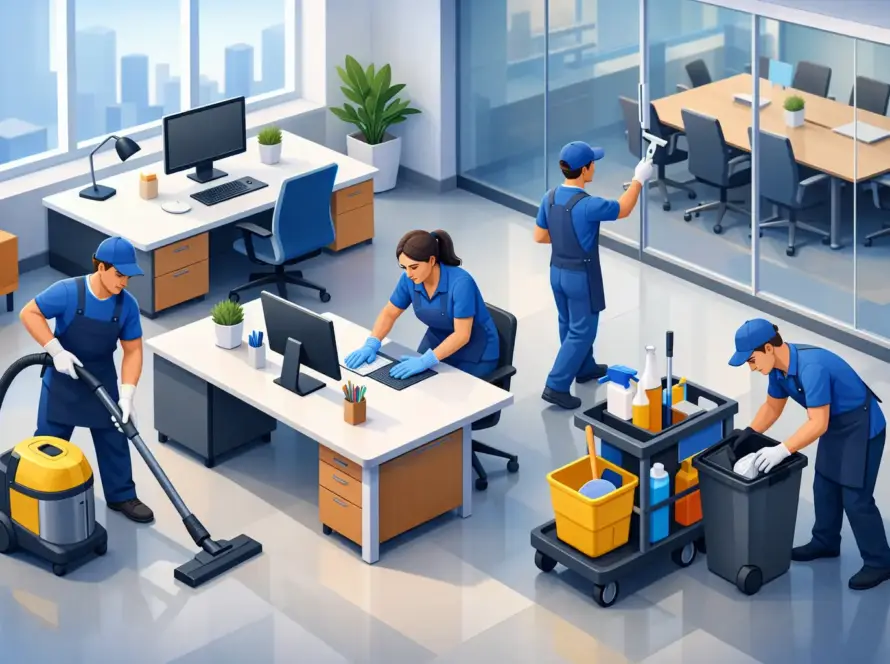
A missed shift can put pressure on an entire workplace. Deadlines move, customer service slows, and colleagues are asked to cover work at short notice. A practical cleaning reduces absenteeism example shows why scheduled office cleaning is more than a presentation detail: it helps lower everyday exposure to germs in the shared spaces people touch most.
Cleaning cannot prevent every cold, flu, or absence. Employees may be sick from home, caring for family, or dealing with circumstances no cleaning plan can affect. But a consistently cleaned workplace can be a sensible part of a broader health and attendance strategy, especially in busy offices, clinics, retail spaces, and commercial properties.
A cleaning reduces absenteeism example from a shared office
Consider a 35-person office with a hybrid schedule. On its busiest days, nearly every desk is in use. Staff share meeting rooms, washrooms, a lunchroom, printers, door handles, and reception equipment. The office receives clients and delivery drivers throughout the week.
Before arranging recurring professional cleaning, the business relied on staff to wipe down surfaces when they had time. Waste bins occasionally overflowed after meetings, kitchen counters were cleaned inconsistently, and high-touch areas were not part of a defined routine. During cold and flu season, several employees were often away at the same time. While the company could not attribute every absence to the office environment, management noticed that illness spread quickly when common areas were neglected.
The office introduced a weekday evening cleaning programme, with extra attention to washrooms, lunchroom surfaces, meeting-room tables, shared keyboards and mice, door handles, light switches, reception counters, and waste removal. Employees were also given clear expectations: stay home when unwell, wash hands regularly, and keep personal desks reasonably clear for cleaning.
Over the following months, the office had fewer occasions when multiple team members reported similar respiratory or stomach symptoms at once. The change did not mean no one took sick days. It meant the workplace was no longer adding avoidable hygiene risks to an already challenging season. Meeting rooms felt fresher, washrooms stayed stocked and clean, and staff had more confidence using shared spaces.
That is the practical value of a cleaning reduces absenteeism example. It is not a promise that cleaning eliminates illness. It is a reminder that regular, targeted cleaning reduces the buildup and transfer opportunities associated with the surfaces and spaces everyone shares.
Why cleanliness can affect attendance
Viruses and bacteria move through workplaces in several ways, including close contact, airborne transmission, and contaminated hands touching shared surfaces. Cleaning is only one control measure, but it supports the others. When high-touch points are cleaned on a reliable schedule, there is less residue, dirt, and contamination left behind for the next person.
The most relevant areas are often the least noticeable. A boardroom table may look clean, while the door handle, remote control, chair arms, and screen-sharing cable have been handled by several people. A lunchroom can look orderly, yet the refrigerator handle, coffee machine buttons, faucet, and microwave controls may receive constant use.
Professional cleaning also helps because it is assigned work, not an extra task squeezed into someone’s day. When staff are busy, cleaning naturally falls behind. A trained cleaning team follows an agreed scope, uses appropriate products, and completes the work at a predictable time. That consistency matters more than an occasional deep clean after the office already looks untidy.
The cleaning tasks with the biggest workplace impact
An effective office cleaning plan should reflect how people actually use the space. A quiet professional office may need detailed service a few evenings a week, while a high-traffic workplace with public visitors may benefit from daily cleaning. The right frequency depends on foot traffic, the number of shared amenities, workplace hours, and whether staff hot-desk.
High-touch surfaces deserve priority because they connect many people throughout the day. These typically include entrance doors, elevator buttons, railings, reception counters, desk phones, printer controls, shared workstations, kitchen equipment, washroom fixtures, and light switches. These surfaces should be cleaned with products suitable for the material and the workplace’s needs.
Washroom service is equally important. Clean fixtures, replenished soap, paper supplies, emptied waste, and attention to frequently touched points help staff maintain good hand hygiene. A washroom that is visibly neglected can discourage the very habits that help reduce illness transmission.
Lunchrooms and break areas need more than a quick wipe of the counter. Food spills, appliance handles, sinks, tables, and waste bins require regular attention. In offices where people bring meals daily, this area can quickly become one of the highest-use spaces in the building.
Floor care matters too, though its connection to absenteeism is less direct. Clean floors reduce tracked-in dirt, improve overall air quality and appearance, and make it easier to maintain a workplace that people feel comfortable using. For a professional environment, cleanliness supports both health-conscious habits and client confidence.
Cleaning is strongest when paired with practical policies
A spotless office is not a substitute for a sensible illness policy. If employees feel they have to come in while sick, a cleaning programme can only do so much. Businesses see better results when cleaning supports clear expectations around staying home when unwell, handwashing, ventilation, and reporting maintenance issues such as empty soap dispensers or leaking washroom fixtures.
It also helps to distinguish cleaning from disinfecting. Cleaning removes soil and residue from surfaces. Disinfecting is intended to reduce certain germs on a cleaned surface when the right product, contact time, and method are used. Not every surface needs intensive disinfection every day, and overusing harsh products can damage finishes or create unpleasant odours. A professional provider can build an appropriate plan based on the workplace, its occupancy, and any product preferences.
For businesses with employees who have allergies, sensitivities, pets in the office, or environmental requirements, product selection should be discussed in advance. Eco-friendly and pet-friendly options can often be incorporated without losing sight of the core objective: a consistently clean, comfortable place to work.
How to build a cleaning schedule that supports attendance
Start by looking at the week, not just the square footage. Ask when the office is busiest, which rooms are shared most often, whether visitors use washrooms, and where staff gather. A polished executive area may need less frequent attention than a small, heavily used kitchen.
Daily cleaning is often suitable for busy offices, retail locations, medical-adjacent spaces, and commercial properties with steady visitor traffic. Weekly service may be appropriate for smaller offices with limited occupancy. Bi-weekly or customized schedules can work when teams are mostly remote, but high-touch zones should still receive adequate attention on days people are present.
The scope should be specific enough to be checked. Instead of simply requesting “office cleaning,” identify the spaces that need service, the expected frequency, and any priority tasks. Include washrooms, lunchrooms, reception, workstations, meeting rooms, floors, waste removal, and touchpoints where appropriate. If there are seasonal periods of higher absence or larger events, consider adding temporary service visits.
Communication matters after the service begins. Encourage staff to flag recurring issues, such as a meeting room that needs more frequent cleaning or a lunchroom bin that fills too quickly. A dependable cleaning partner should be able to adjust the plan as your office changes.
A cleaner office is a practical form of support
Employees notice when their workplace is cared for. Clean washrooms, tidy common areas, fresh-smelling meeting rooms, and reliable waste removal communicate that the business respects their time and wellbeing. That does not replace fair policies, good leadership, or appropriate sick leave, but it reinforces them.
For office managers in Mississauga and the Greater Toronto Area, recurring service can remove one more operational concern from the week. Clean and Tidy can tailor office and commercial cleaning around your schedule, including daily, weekly, and customized programmes delivered by trained, insured professionals.
The most useful next step is simple: walk through your workplace as an employee or visitor would, pay attention to every shared touchpoint, and build a cleaning routine that keeps those spaces consistently fresh, functional, and ready for the people who rely on them.