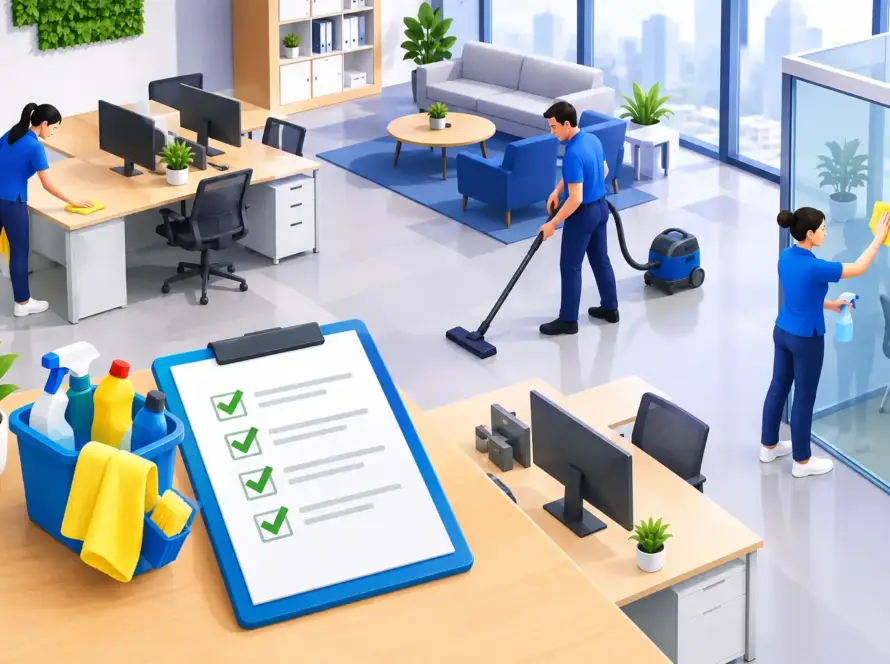
A dirty kitchenette at 8 a.m., overflowing waste bins by lunch, or washrooms that are not properly stocked can quickly become everyone’s problem. When comparing commercial cleaners versus employees, the real question is not simply who can clean. It is who can keep your workplace reliably clean without adding avoidable management, safety, and staffing pressure to your day.
For many offices and commercial properties, cleaning is essential but not a core business function. The right arrangement should support a professional environment, protect employee comfort, and fit the way your space is used. Hiring an in-house cleaner can make sense in certain settings, but a professional cleaning company often provides more flexibility and accountability for recurring office cleaning.
Commercial Cleaners Versus Employees: The Core Difference
An employee cleaner joins your payroll. Your business is responsible for recruiting, onboarding, scheduling, training, supervising, payroll deductions, vacation coverage, benefits where applicable, and workplace safety requirements. You have direct control over their hours and daily priorities, but you also take on the responsibility that comes with employing them.
A commercial cleaning company provides a service rather than an individual employee. The provider supplies trained cleaners, coordinates schedules, manages replacements, and typically brings its own equipment and cleaning supplies unless your agreement says otherwise. You pay for the agreed scope of work and frequency, whether that is daily evening cleaning, weekly service, or a customized plan.
Neither model is automatically right for every workplace. A large facility with constant daytime traffic and highly specific needs may benefit from a dedicated on-site employee. A typical office, clinic, retail location, or professional workspace often benefits from the consistency and lower administrative burden of a commercial cleaning partner.
Look Beyond the Hourly Wage
An in-house cleaner’s hourly rate is only one part of the cost. Employers also need to consider payroll administration, CPP and EI contributions, vacation pay, statutory holidays, training time, insurance, cleaning equipment, product purchasing, storage, and the cost of arranging coverage when that person is away.
These costs are not always obvious when a business first compares quotes. A commercial cleaning quote may appear higher than an hourly wage, but it can include labour, supervision, supplies, equipment, insurance, and replacement coverage. It also gives you a clearer view of your expected monthly cleaning cost.
The value of professional service is often strongest when your requirements change. If you need additional attention before a client event, a move-in or move-out clean, seasonal detailing, or extra service during cold and wet weather, a cleaning company can usually adjust the scope without requiring you to hire or train another person.
Consider the Cost of Missed Cleaning
The cost of an absence can be larger than one missed shift. When an employee cleaner is sick, on vacation, or leaves the role unexpectedly, someone still needs to arrange service. Office staff may be asked to empty bins, restock washrooms, or handle a spill, taking time away from their own responsibilities.
With a dependable commercial cleaning provider, staffing coverage is part of the service relationship. A properly managed team has a process for scheduling replacements so your office does not have to choose between lowering standards and scrambling for help.
Consistency Is a Daily Business Need
A workplace can look clean one day and fall below standard the next if there is no clear checklist, quality review, or backup plan. Consistency matters because employees, visitors, and clients notice the small details: fingerprints on glass doors, dust in reception, odours in waste areas, and neglected washrooms.
An in-house employee may know your space very well over time. That familiarity is valuable, especially when they are dependable and receive proper direction. However, consistency can depend entirely on one person’s availability and habits. If expectations have not been documented, the cleaning standard may become difficult to maintain or measure.
Professional commercial cleaners work best when the scope is clear. A recurring plan can set expectations for high-touch surfaces, floors, washrooms, lunchrooms, garbage and recycling, entrances, and any specialized areas. It should also identify what is completed at every visit and what is handled periodically.
For busy workplaces, an agreed checklist is more than paperwork. It helps make cleanliness measurable. You know what should be done, the cleaning team knows what is expected, and concerns can be addressed quickly before they become recurring frustrations.
Training, Insurance, and Workplace Risk
Cleaning involves more than wiping surfaces. Staff may handle disinfectants, use equipment, work around confidential materials, move through secured areas, and respond to spills or hazards. A professional provider should have trained and insured cleaning professionals, safe product procedures, and clear standards for working in client spaces.
When you hire directly, your business is responsible for ensuring training and safety practices are appropriate. This can be manageable, but it requires time and ongoing attention. Product labels change, equipment needs maintenance, and cleaning expectations may shift as your office grows or public health needs change.
Commercial cleaning companies are structured around this work. They should understand proper cleaning routines, use suitable products, and maintain insurance coverage for their services. For offices that prefer eco-friendly or pet-friendly products, a professional provider can also build those preferences into the cleaning plan.
Security deserves consideration as well. Whether you choose an employee or a service provider, the people cleaning your workplace may have access after hours. Ask how keys, alarm codes, access cards, and confidential areas are handled. Trust is built through clear procedures, not assumptions.
Flexibility Matters More Than Most Offices Expect
Your cleaning needs may not stay the same all year. Employee attendance, client visits, weather, construction nearby, and office events all affect how quickly a workplace becomes untidy. A fixed in-house role can be useful when the workload is steady every day, but it may be less efficient when demand rises and falls.
Commercial cleaning is often easier to tailor around your operations. An office may need nightly service for common areas and washrooms, with deeper cleaning scheduled weekly or monthly. A smaller workplace may only need weekly or bi-weekly visits. The best schedule is the one that keeps the space consistently fresh without paying for service that does not add value.
This flexibility is particularly helpful for businesses in Mississauga and the Greater Toronto Area where commutes, building access rules, and multi-tenant operations can make after-hours cleaning the practical choice. The cleaning team can work around your hours rather than disrupting staff during the day.
When an In-House Cleaner May Be the Better Choice
There are situations where hiring a cleaner directly is reasonable. Large facilities that need continuous daytime cleaning, immediate spill response, frequent room resets, or specialized knowledge of a tightly controlled site may need a dedicated person on location. A business with enough cleaning work to fill a full-time role can also benefit from direct oversight.
Even then, it is worth planning for absences, training, supply management, and quality control. Some organizations use a hybrid approach: an in-house attendant handles daytime needs while commercial cleaners complete thorough recurring cleaning after hours.
The key is to match the model to the work. Do not hire an employee simply because cleaning feels too important to outsource. Likewise, do not outsource simply because it appears convenient. Consider the actual demands of your space, your management capacity, and the level of accountability you expect.
Questions to Ask Before You Decide
Before choosing between an employee and a commercial cleaning provider, review how often your office needs attention, what areas require the most care, and whether cleaning must happen during or outside business hours. Think about who will manage quality, respond to absences, purchase supplies, and handle safety training.
If you request a commercial cleaning quote, ask what is included, how service quality is checked, whether cleaners are insured and trained, and how replacement coverage works. A good provider will ask questions about your space before recommending a schedule. They should not push a one-size-fits-all package when your office has specific needs.
Clean and Tidy helps workplaces create practical recurring cleaning plans that fit daily routines, building requirements, and the standard employees and visitors expect. The goal is straightforward: a spotless, well-maintained space that does not create more work for your team.
The right cleaning arrangement should feel quiet in the best sense. Bins are emptied, washrooms are ready, common areas stay fresh, and your staff can focus on the work they were hired to do. That peace of mind is often the clearest sign that your cleaning plan is working.