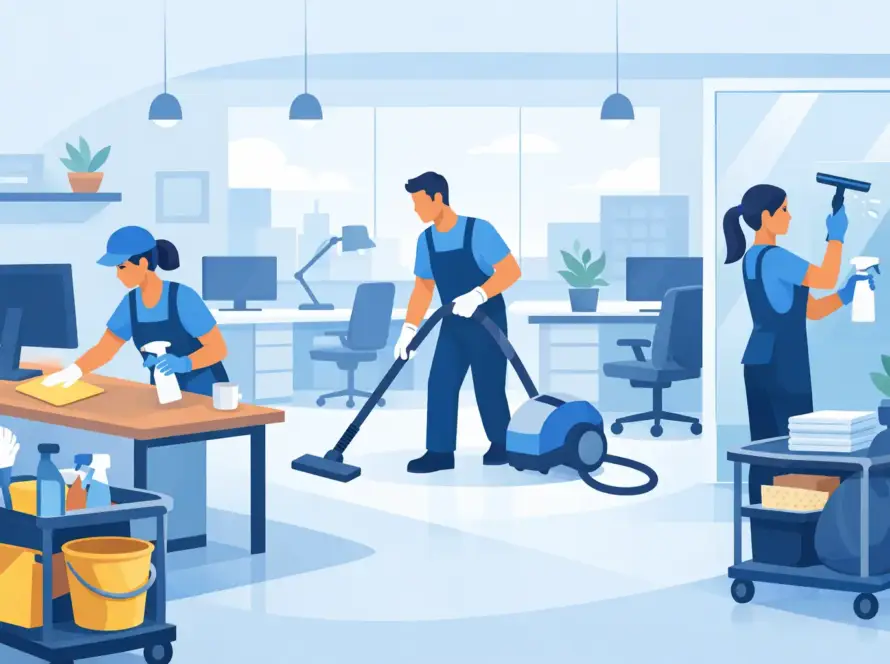
A missed evening clean can be obvious by first bell: overflowing bins, marked floors, washrooms that do not feel fresh, and staff distracted by conditions they should not have to manage. This school cleaning provider selection guide helps administrators choose a dependable partner that protects the learning environment without creating more work for the office team.
School cleaning is not simply a matter of finding the lowest quote. A provider must work around students, staff, after-hours access, changing event schedules, and the higher expectations families rightly have for a clean, cared-for facility. The right fit is a company with clear systems, trained people, responsive communication, and a cleaning plan built around your actual building.
Start With Your School’s Cleaning Priorities
Before comparing providers, define what success looks like at your school. A small private school, a busy daycare, and a multi-wing campus may all need recurring cleaning, but their priorities, traffic patterns, and service hours can be very different.
Walk the building with the people who know it best. Include administration, caretaking staff, and, where appropriate, facilities or operations personnel. Identify high-use washrooms, entranceways, classrooms, staff rooms, gyms, libraries, lunch areas, stairwells, and touchpoints that need regular attention. Consider what happens after assemblies, sports events, parent nights, rental use, or seasonal weather changes.
This exercise helps you avoid a vague request for “general cleaning.” A detailed scope gives prospective providers a fair basis for pricing and gives your school a clear standard to hold them to. It also helps distinguish between routine tasks, such as vacuuming and washroom cleaning, and periodic work, such as floor care, interior glass cleaning, or detailed cleaning during school breaks.
What to Look for in a School Cleaning Provider
The strongest provider is not necessarily the one promising every possible service. It is the one that can explain exactly how it will deliver consistent results in your setting.
Trained, insured, and properly supervised staff
Ask how cleaners are trained, who supervises their work, and how the provider handles absences. Schools need consistency, especially where cleaning teams require access to secured spaces and must learn the layout and expectations of the building.
Confirm that the company carries appropriate commercial liability insurance and can provide documentation when requested. Ask about worker coverage, staff screening practices, confidentiality expectations, and procedures for keys, alarm codes, and access cards. The answers should be direct and documented, not vague assurances.
A provider should also have a practical backup plan. Illness and unexpected absences happen. What matters is whether the company can maintain service without leaving your school team to chase updates or arrange last-minute coverage.
A cleaning plan that matches the school day
Daily cleaning may be the right choice for a high-traffic school, while smaller facilities may benefit from a weekly or customized schedule. The best schedule depends on enrollment, building size, washroom usage, food service, floor types, and how the space is used outside classroom hours.
Ask each provider to explain when work will be completed and how they will accommodate school operations. Evening service may keep cleaners out of busy hallways, but some areas may benefit from daytime attention. For example, a washroom check during the day can be worthwhile in a large or heavily used facility, while classrooms may be best cleaned after dismissal.
A good proposal should separate core recurring work from optional services. This makes it easier to adjust the plan as needs change, rather than paying for tasks that are not required or discovering later that essential work was excluded.
Safe products and practical procedures
Cleaning products matter in schools because children and staff spend long hours in the building. Ask what products and equipment the company uses, how products are stored, and whether eco-friendly options are available. If your school has fragrance sensitivities, allergy concerns, young children, or specific policies, discuss these requirements before service begins.
Do not assume “green” automatically means suitable for every cleaning task. The provider should be able to recommend products that balance safety, effective cleaning, surface compatibility, and your facility’s policies. Clear labelling, proper dilution, and staff training are as important as the product itself.
Also ask how the team prevents cross-contamination. Separate tools and colour-coded cloths for washrooms, classrooms, and food-related spaces can make a meaningful difference. The provider should have a clear process for cleaning high-touch surfaces and responding to spills or contamination concerns.
Compare Quotes by Scope, Not Just Price
A low monthly price can look attractive until it becomes clear that it excludes washroom consumables, floor maintenance, extra event cleaning, or sufficient labour hours. When reviewing proposals, compare like with like.
Each quote should clearly show the cleaning frequency, estimated service hours, areas included, task list, supply responsibilities, and any add-on charges. If one provider is noticeably less expensive, ask what is different in the scope. It may be a smart saving, or it may mean fewer visits, rushed staff, limited supervision, or tasks left out of the agreement.
Price still matters. Schools need predictable operating costs and responsible use of funds. But value is measured by reliable delivery, fewer complaints, clean high-traffic areas, and less time spent by administrators following up on missed work. A provider that communicates well and corrects concerns promptly can be a better long-term choice than the lowest initial bidder.
Ask How Quality Will Be Checked
A cleaning agreement should not depend on someone noticing a problem after it has become frustrating. Ask prospective providers how they inspect work and how they share results with clients.
Some companies use supervisor visits, checklists, digital reports, or regular account reviews. The format matters less than consistency. You should know who to contact, how to report an issue, what response time to expect, and how the provider confirms that the matter has been resolved.
During the selection process, ask for examples of what happens when standards are missed. A dependable answer includes acknowledgement, corrective action, follow-up, and a plan to prevent repeat issues. Be cautious if a provider speaks only about winning the contract and not about maintaining service quality over time.
Evaluate Communication Before You Sign
The early conversations are often a preview of the working relationship. Is the provider punctual for a site visit? Do they ask useful questions about your building? Does the quote reflect what you discussed? Are they easy to reach and clear in their replies?
Schools have changing needs. A snow-heavy week can affect entryway cleaning. A school concert can require an additional clean. A construction project can create dust in unexpected areas. You need a provider that makes these adjustments straightforward, with a designated contact person and clear approval process for extra work.
It is also worth discussing escalation. If an urgent concern occurs after hours, staff should know whom to contact and what response is realistic. No cleaning provider can promise that every request will be handled instantly, but they should set honest expectations and follow through.
Use a Site Visit to Test Attention to Detail
A site visit is one of the most useful parts of the school cleaning provider selection process. It gives the provider a chance to see access points, storage areas, flooring, washroom layouts, traffic flow, and spaces that need special care. It gives your team a chance to assess whether the representative is listening.
During the walk-through, point out recurring pain points. Perhaps salt and slush collect at the main entrance in winter, cafeteria floors need extra attention, or a gym floor has manufacturer-specific care requirements. A thoughtful provider will take notes, ask follow-up questions, and avoid making promises before understanding the work.
If practical, request a written cleaning schedule after the visit. It should identify daily, weekly, monthly, and periodic tasks so expectations remain clear for both sides.
Plan the First 30 Days Carefully
Even a well-chosen provider needs a structured start. The first month is when access procedures, supply locations, cleaning priorities, and communication routines become habits. Arrange an onboarding conversation before the first service and make sure both teams understand the agreed scope.
A short review after the first week can catch minor issues before they grow. Review washrooms, entrances, common areas, and any rooms that have generated feedback. Then hold another check-in at the end of the first month to confirm whether the schedule and task list match the school’s real needs.
This is also the right time to make reasonable adjustments. If certain spaces need more frequent service or another area receives little use, refining the plan can improve results and protect your budget.
Choosing a cleaning provider is a decision about the daily experience of everyone who enters your school. Select a company that listens closely, documents the work, and treats clean facilities as essential support for learning. For schools in Mississauga and the Greater Toronto Area, a detailed, customized quote is a practical first step toward a fresher, more dependable space.