A neglected breakroom sink, smudged glass entryway, or overflowing waste bin can change how employees and visitors feel about a workplace within seconds. This facility sanitation guide helps office managers and business operators create a consistent standard of cleanliness that supports comfort, professionalism, and day-to-day operations.
Sanitation is more than making a space look presentable. It is the routine care that reduces soil, manages waste, addresses high-touch surfaces, and keeps shared areas fresh. The right plan makes cleanliness dependable rather than something staff scramble to address before a client visit.
What Facility Sanitation Means in Practice
Facility sanitation combines regular cleaning, disinfecting where appropriate, waste management, restroom care, and attention to the areas people use most. In an office, that includes washrooms, reception areas, kitchens, meeting rooms, desks, floors, door handles, and shared equipment.
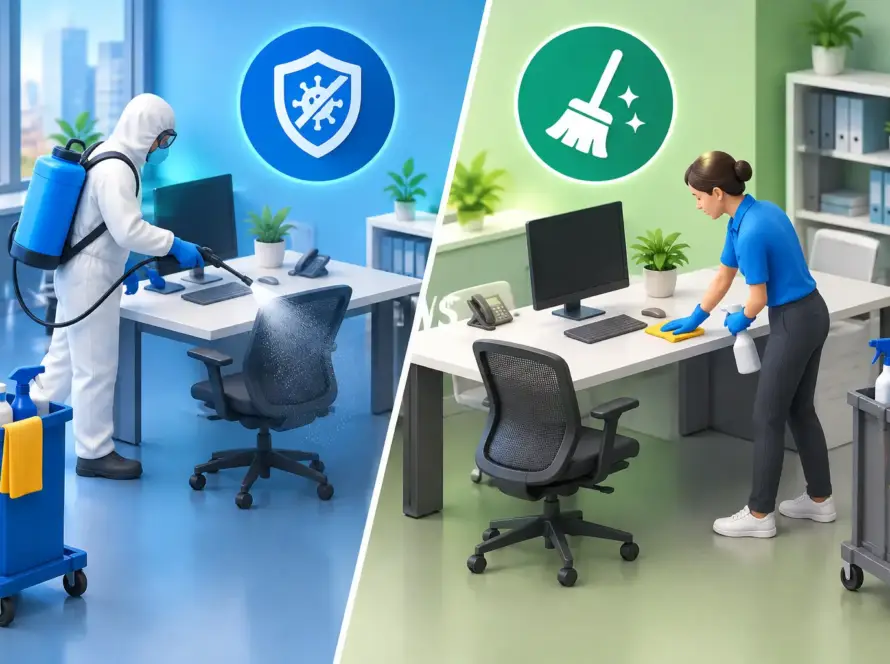
Cleaning removes visible dirt, dust, crumbs, and residue. Disinfecting is a separate step intended to reduce germs on appropriate surfaces. Both matter, but they should be used with purpose. A daily disinfecting routine may be sensible for high-touch washroom fixtures and shared touchpoints, while deep treatment of low-contact surfaces can be scheduled less often.
The goal is not to use more products than necessary. It is to maintain a space that feels clean, smells fresh, and is cared for consistently without disrupting employees or visitors.
Start With a Facility Sanitation Assessment
A useful sanitation plan begins with the way your facility actually operates. A quiet professional office with a small team has different needs than a busy clinic-adjacent office, retail space, fitness facility, or multi-tenant commercial building.
Walk through the property at the end of a typical workday. Look beyond the obvious floor condition and assess where dirt collects, where supplies run out, and where people gather. Pay attention to traffic patterns from entrances to workstations, lunchrooms, washrooms, elevators, and meeting spaces. These areas usually determine how frequently cleaning is needed.
Also consider your building’s schedule. If staff work late, host clients frequently, or run shifts, cleaning may need to happen after hours or be divided between a light daytime service and a more detailed evening clean. A plan only works when it fits the rhythm of the workplace.
Identify high-priority zones
High-priority zones are the areas that influence hygiene and first impressions most directly. In most commercial facilities, these include:
- Entrances, reception desks, lobby seating, and glass doors
- Washrooms, including fixtures, partitions, dispensers, and floors
- Kitchens, lunchrooms, coffee stations, and shared refrigerators
- High-touch points such as handles, switches, railings, and elevator buttons
- Shared meeting rooms, printers, phones, and frequently used work surfaces
These zones should be checked often enough that issues are corrected before they become noticeable. For a busy office, that may mean daily attention. For a lower-traffic workplace, several visits per week may be sufficient.
Build a Schedule That Matches Foot Traffic
Frequency is one of the most important sanitation decisions. Cleaning too rarely allows odours, dust, and clutter to build up. Cleaning every area at the same intensive level every day can waste time and budget. The best schedule balances visible needs, hygiene requirements, occupancy, and the type of business you operate.
Daily service is often the right fit for active offices, shared workspaces, customer-facing businesses, and facilities with busy washrooms or lunch areas. This typically covers waste removal, washroom cleaning, kitchen touch-ups, vacuuming or floor care in traffic areas, and high-touch surface attention.
Weekly service can work well for smaller offices with limited daily traffic, especially when employees maintain their own desks and kitchen use is modest. The visit should still include thorough washroom and breakroom care, floor cleaning, dusting of common areas, and waste removal.
Bi-weekly or monthly service may suit low-occupancy spaces, but it has limits. If a facility receives regular visitors or has shared amenities, a longer interval can leave visible issues unaddressed. In these cases, a customized plan with targeted service for washrooms or common areas may offer a better result than a simple monthly clean.
Separate routine service from periodic deep cleaning
Routine cleaning keeps the workplace presentable. Periodic deep cleaning handles the details that regular visits may not cover fully, such as baseboards, interior glass, vents, upholstery, high shelving, detailed floor care, and buildup inside kitchen appliances.
The timing depends on the facility. A high-traffic workplace may need quarterly deep cleaning, while a quieter office may need it once or twice a year. Seasonal changes can also be a practical trigger. Winter slush, salt, and wet entryways in the Greater Toronto Area often call for additional floor care, while spring is a natural time to address accumulated dust and detailed cleaning.
Set Clear Responsibilities Without Making Staff the Cleaning Crew
Employees can help protect a clean workplace, but they should not be expected to manage sanitation as an extra job. Clear expectations prevent small messes from becoming larger problems while allowing professional cleaners to handle the work that requires time, training, and proper equipment.
A simple workplace standard might ask employees to clear food from shared spaces, label personal items in the refrigerator, wipe spills when they occur, and keep desks ready for scheduled cleaning. Management, meanwhile, should ensure supplies are available, report maintenance concerns promptly, and confirm that cleaning requirements are communicated clearly.
Professional cleaners should have a defined scope of work, access instructions, and a reliable way to flag issues. For example, a cleaner may notice a leaking dispenser, a blocked drain, an empty soap refill, or a damaged floor surface. Fast communication helps resolve these concerns before they affect the work environment.
Pay Special Attention to Washrooms and Breakrooms
Washrooms and breakrooms are often the clearest measure of whether a facility is being cared for properly. They also have the highest potential for unpleasant odours, supply shortages, and sanitation concerns when service is inconsistent.
Washroom care should include cleaning and disinfecting fixtures, wiping partitions and dispensers, cleaning mirrors, emptying waste, mopping floors, and restocking essentials. The frequency should reflect actual use, not assumptions. A washroom used by ten people daily does not need the same schedule as one used by fifty.
In breakrooms, focus on countertops, sinks, tables, appliance exteriors, garbage and recycling, and floors. Shared refrigerators need a clear responsibility plan. Cleaning around old food without a policy for removing it simply moves the problem around. A monthly fridge clean-out schedule, communicated to staff in advance, keeps this area more manageable.
Choose Products That Suit the Facility
The right cleaning products depend on surfaces, occupancy, and workplace preferences. Eco-friendly and pet-friendly options can be a good choice for offices that want to reduce strong scents or accommodate employees and visitors with sensitivities. However, products still need to be effective for the task and used according to their instructions.
Avoid a one-product approach. Glass, stainless steel, hard floors, carpeting, washroom fixtures, and food-preparation surfaces all require appropriate care. Improper products can leave residue, dull finishes, damage flooring, or create unnecessary odours.
A professional cleaning provider can help align products and methods with your workplace needs. This is particularly valuable in facilities with specialized flooring, frequent client traffic, or strict expectations around scent and product selection.
Measure What Clean Looks Like
A sanitation plan should be easy to evaluate. Rather than relying on a general feeling that the office is cleaner, set a few practical standards. Washrooms should be stocked and odour-free. Entryways should be free of visible debris. Common-area floors should be maintained. Kitchen surfaces should not have crumbs, stains, or sticky residue. Waste should be removed before bins overflow.
Periodic walkthroughs are useful, especially during the first month of a new cleaning arrangement. Ask for feedback from reception staff, office managers, and employees who use shared spaces most often. Their input can reveal problems that are easy to miss during a quiet inspection, such as afternoon washroom supply shortages or a lunchroom that needs more frequent attention.
If service needs change, adjust the plan. Growing teams, new work schedules, seasonal conditions, or more client meetings can all justify a change in frequency or scope. A flexible sanitation program protects your standards as the workplace evolves.
A clean facility supports the people who work there and reassures everyone who walks through the door. For Mississauga and Greater Toronto Area workplaces that need reliable recurring care, Clean and Tidy can help create a customized cleaning schedule that keeps sanitation simple, consistent, and stress-free.