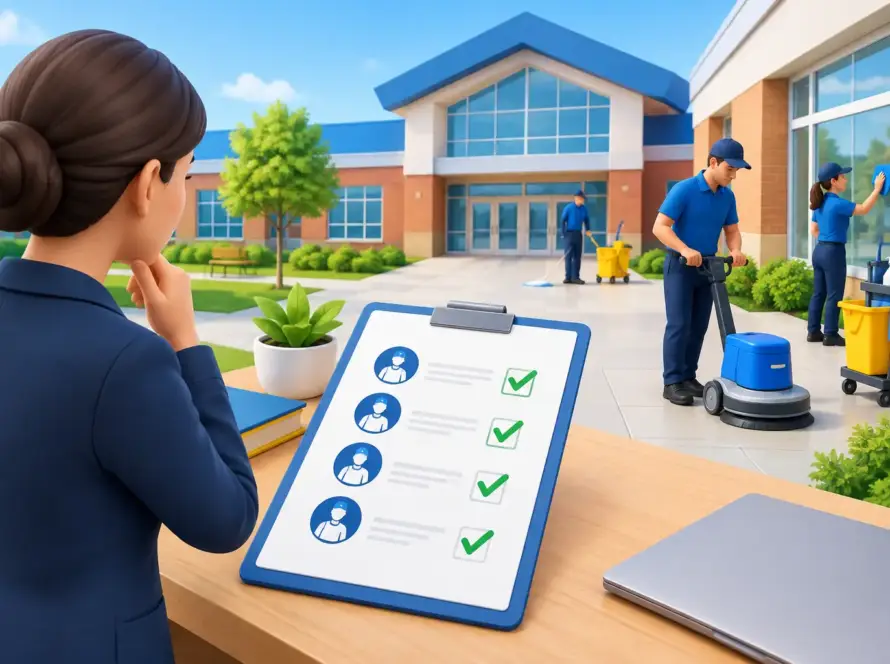
A cleaning contractor should make your workplace easier to run, not create another task for your team to manage. If staff are reporting missed areas, supplies are constantly running low, or you are checking washrooms and common areas after every visit, it may be time to ask when to replace a cleaning contractor.
The decision does not need to be rushed. A single missed detail can happen, especially in a busy office or commercial property. The real concern is a repeated pattern that affects cleanliness, employee confidence, client impressions, or the time your team spends following up. A dependable contractor takes ownership, communicates clearly, and keeps your space consistently fresh without requiring constant oversight.
When to replace a cleaning contractor
The clearest sign is a drop in consistent service quality. Floors may look clean one week and neglected the next. Waste bins may be missed, fingerprints remain on entrance doors, or washrooms are not being properly restocked. These issues are more than cosmetic. In an office, they can affect how employees feel about their work environment and how visitors view your business.
Before changing providers, document the concerns and give the contractor a reasonable opportunity to address them. A professional cleaning company should welcome specific feedback, investigate what happened, and explain the corrective action. If the same problems continue after clear communication, the service relationship may no longer be working.
Complaints are becoming routine
One complaint does not always mean the service has failed. Repeated comments from different employees, tenants, or customers are another matter. When people regularly mention unpleasant odours, untidy washrooms, dusty surfaces, or overflowing garbage, the cleaning standard is likely falling below what your space needs.
Pay attention to where complaints are coming from. Concerns about reception areas, meeting rooms, kitchens, and washrooms deserve prompt attention because these are high-traffic spaces that shape daily impressions. A good contractor should have a quality-control process that catches most issues before your staff do.
The scope of work is no longer being completed
Cleaning requirements change as businesses grow, occupancy shifts, or workspaces are reconfigured. Your contractor may have been a good fit when the office had fewer employees or less foot traffic. If the current schedule and task list no longer match the reality of the property, you may need a revised plan rather than an immediate replacement.
However, there is a difference between an outdated scope and a contractor who repeatedly fails to complete the agreed scope. If tasks are skipped without explanation, deep-cleaning items never happen, or agreed service visits are shortened, it is reasonable to look for another provider. Your cleaning agreement should be a reliable baseline, not a list of work you have to chase.
Reliability matters as much as visible cleanliness
Commercial cleaning is often scheduled outside regular business hours because it should support your operations without disruption. That makes reliability essential. A missed visit can leave a workplace unprepared for the next morning, especially after a busy day, an event, or periods of poor weather.
Occasional schedule changes may be unavoidable, but they should be communicated early and managed properly. A reliable contractor has trained backup staff and a plan for absences. You should not be left wondering whether the cleaners arrived or discovering the problem after employees come in.
Warning signs include frequent late arrivals, unannounced changes to the cleaning team, unexplained gaps in service, and invoices for visits that did not meet expectations. These issues can create unnecessary stress for office managers and property teams who already have many responsibilities to coordinate.
Communication feels one-sided
A cleaning contractor does not need to contact you every day, but they should be reachable and responsive. When you report an issue, you should receive an acknowledgement and a practical next step. When access procedures change, a professional provider should confirm the details. When they notice a maintenance concern, such as a leaking dispenser or damaged flooring, they should raise it promptly.
Poor communication often shows up before a major service problem. Emails go unanswered, messages are passed between several people, or requests are acknowledged but never completed. If you are spending too much time following up, the contractor is no longer delivering the convenience that outsourced cleaning is meant to provide.
Safety, security, and insurance should never be unclear
Your cleaning team may have access to offices, meeting rooms, staff belongings, sensitive documents, and areas that are empty after hours. Trust is not optional. The contractor should be clear about who enters the building, how keys or access codes are handled, and what happens when a regular team member is unavailable.
It is also reasonable to confirm that cleaners are trained for the work they perform and that the company carries appropriate insurance. Commercial spaces can include wet floors, electrical equipment, specialized surfaces, and products that need careful handling. Unclear answers about training, safety procedures, insurance, or incident reporting are serious reasons to reassess the relationship.
This is especially relevant if you have experienced damaged property, a security concern, or unsafe cleaning practices. A reputable contractor will respond professionally, document what occurred, and take steps to prevent a repeat. Defensiveness or a lack of accountability should not be accepted as part of the service.
Your workplace has changed, but the service has not
Replacing a contractor is not always about poor performance. Sometimes the business simply needs a different level of support. A growing office may need cleaning more often. A clinic, retail location, or shared commercial property may require stronger attention to washrooms, touchpoints, and common areas. Seasonal conditions in the Greater Toronto Area can also increase the need for entryway and floor care.
A suitable contractor will review your needs and recommend a schedule that fits the space, whether that is daily cleaning, several visits per week, or a customized program. They should also be able to adjust services for events, busy seasons, tenant turnover, or special requests without making the process difficult.
If your current company only offers a rigid package that no longer suits your property, consider whether they can adapt. If not, choosing a provider with flexible scheduling may deliver better value than continuing with a plan that leaves visible gaps.
How to make the change without disrupting your workplace
Once you have decided to make a change, review your existing agreement first. Check notice periods, cancellation terms, access arrangements, and any equipment or supply responsibilities. Keeping the transition professional helps protect your operations and avoids confusion.
When speaking with a potential new contractor, be specific about your building, schedule, priority areas, and any recurring frustrations with the previous service. Ask how quality is checked, who your point of contact will be, how absences are covered, and how concerns are handled. The most useful quote is not simply the lowest number. It is one that clearly explains what will be cleaned, how often it will happen, and who is accountable for the result.
A site walkthrough can make expectations much clearer. It allows the cleaning provider to see traffic patterns, floor types, washroom use, storage areas, and access requirements rather than estimating from a short description. It also gives you a chance to assess whether they listen carefully and offer practical recommendations.
Clean and Tidy works with offices and commercial properties that need recurring cleaning without the uncertainty of inconsistent service. Trained and insured professionals, flexible schedules, and a satisfaction guarantee help create fresh, well-maintained spaces that staff and visitors can rely on.
The right contractor should fade into the background for the best reason: your workplace is consistently clean, supplies are where they should be, and your team can focus on the work that matters. If your current service is creating more follow-up than peace of mind, a careful change may be the practical next step.