The condition of your reception desk at 8 a.m. says something before anyone on your team does. Dust on surfaces, overflowing bins, streaked glass, and neglected washrooms can quickly undermine an otherwise well-run workplace. Clear workplace cleanliness standards give office managers a practical way to protect their space, support employees, and present a professional image every day.
For most offices, the goal is not a showroom that looks untouched. It is a consistently fresh, orderly environment where staff can work comfortably and visitors feel confident. The right standard depends on the size of the office, daily foot traffic, shared amenities, client-facing areas, and the kind of work taking place.
What Workplace Cleanliness Standards Should Cover
A useful standard is specific enough to guide daily decisions without becoming a checklist no one has time to manage. It should define what clean looks like in the areas people use most, how often those areas need attention, and who is responsible for following through.
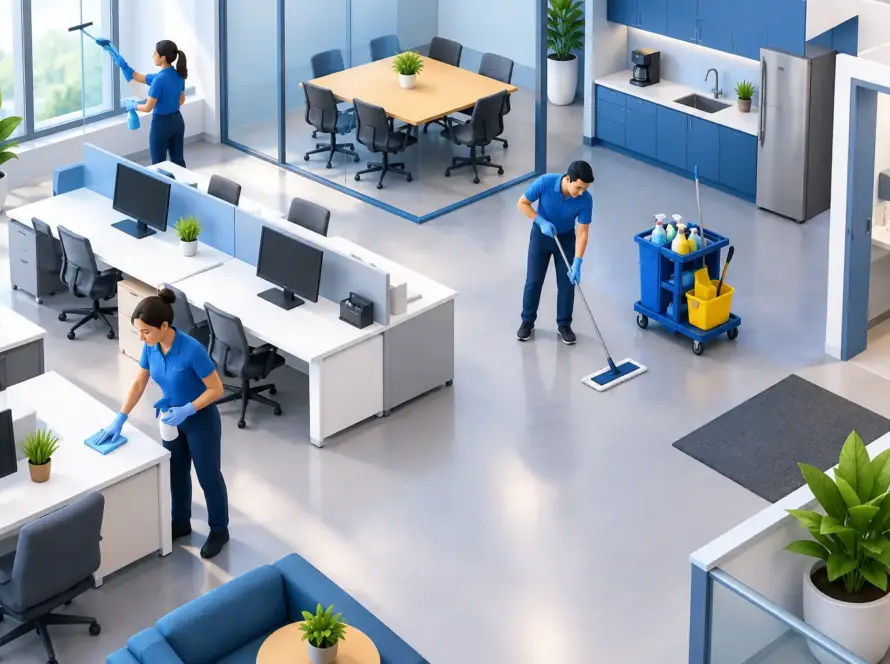
Start with the spaces that have the greatest effect on health, comfort, and first impressions. Entrances, reception areas, workstations, boardrooms, kitchens, lunchrooms, and washrooms usually deserve the closest attention. High-touch points such as door handles, light switches, shared printers, elevator buttons, appliance handles, and faucet controls should also be part of the routine.
Cleanliness is not only about visible dirt. A well-maintained office also has stocked washroom supplies, emptied waste and recycling bins, clean floors, clear walkways, and surfaces that are free of sticky residue, dust, and clutter left behind in common areas. When these basics are handled reliably, the entire workplace feels more organized.
Set standards by area, not by vague expectations
Terms such as “keep the office clean” leave too much open to interpretation. Instead, describe the expected condition of each space. A reception area may need spotless glass, tidy seating, clean floors, and waste removed before visitors arrive. A kitchen may require daily counter and sink cleaning, regular appliance wipe-downs, and more frequent attention to spills or food waste.
Washrooms need their own clear standard because they carry both hygiene and reputation risk. Fixtures should be cleaned and disinfected as appropriate, floors maintained, mirrors streak-free, and soap, paper products, and sanitary supplies replenished. If supplies run out before the next service, the issue is not simply inconvenience. It signals that the cleaning plan does not match actual use.
Match the Cleaning Schedule to Real Office Use
The best schedule is based on what happens in your workplace, not what sounds reasonable on paper. A small professional office with limited visitors may be well served by weekly cleaning and simple employee expectations between visits. A busy office with shared kitchens, washrooms, meeting rooms, and frequent client traffic may need daily service or several visits each week.
Daily cleaning is often the right choice for high-traffic commercial spaces, medical-adjacent offices, customer-facing businesses, and workplaces with many staff sharing amenities. It keeps washrooms, lunchrooms, floors, and waste under control before small issues become noticeable problems.
Weekly cleaning can work well for lower-traffic offices, particularly when staff maintain their own desks and clean spills promptly. Bi-weekly or monthly service may suit very small workplaces with minimal shared space, but it has limits. If bins fill quickly, floors show tracked-in debris, or kitchens become difficult to manage between visits, a less frequent plan can cost more in staff time and workplace frustration than it saves.
Seasonality matters too. Canadian winters often bring salt, slush, and moisture into entryways, while spring and fall can increase dirt and debris near doors. During these periods, floors and entrance mats may need more frequent care than the rest of the year. A flexible plan is more useful than a fixed schedule that ignores changing conditions.
Cleaning and Disinfecting Are Not the Same Task
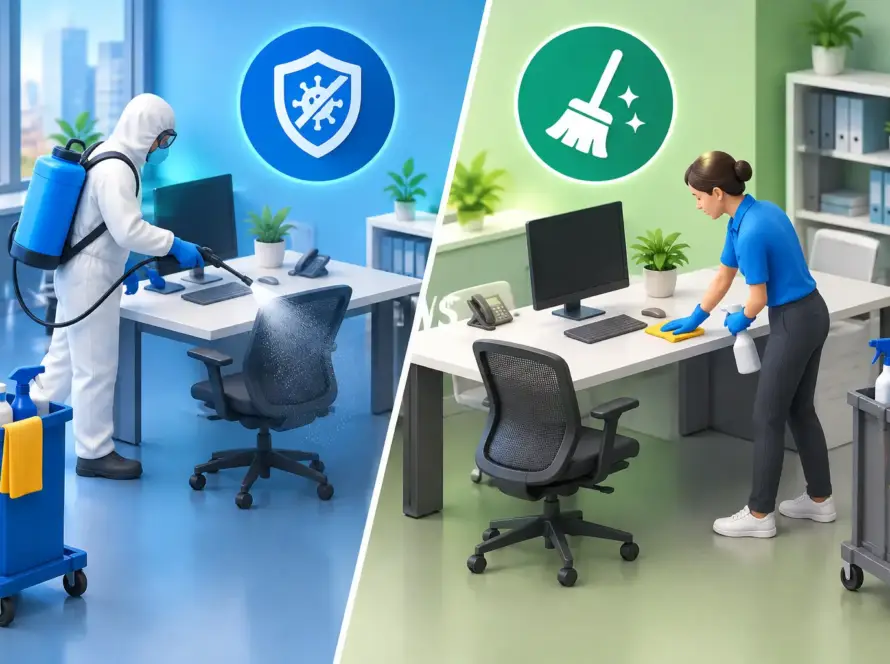
Cleaning removes visible soil, dust, crumbs, and residue. Disinfecting is intended to reduce germs on suitable surfaces after they have been cleaned. Both have a place in a professional cleaning program, but they should not be treated as interchangeable.
For a typical office, routine cleaning should focus on keeping surfaces, floors, washrooms, and common areas visibly clean and orderly. Targeted disinfection is especially relevant for high-touch shared surfaces, washrooms, and periods of increased illness in the workplace. The products and methods used should be appropriate for the surface and applied according to their instructions.
There is also a balance to strike. Overuse of harsh products can affect indoor comfort, damage finishes, or create strong odours in enclosed spaces. Many workplaces prefer eco-friendly or pet-friendly options where suitable, particularly in offices with sensitive staff, visiting clients, or animals on site. A professional cleaner can help match the approach to your workplace rather than relying on a one-size-fits-all product routine.
Give Staff a Role Without Making Cleaning Their Second Job
Employees should not have to spend their workday cleaning washrooms or mopping a lunchroom. That is what a dependable scheduled cleaning service is for. Still, simple shared expectations help maintain standards between professional visits.
Staff can clear personal food from shared refrigerators, wipe up spills when they happen, return meeting rooms to a usable condition, and avoid leaving confidential documents or valuable items on surfaces that need cleaning. Managers can support this by providing accessible waste and recycling bins, clear desk policies where needed, and a straightforward way to report supply shortages or cleaning concerns.
The key is to avoid shifting operational cleaning duties onto employees. When staff are asked to take on tasks outside their roles, standards become inconsistent and resentment can build. Professional cleaners bring trained processes, appropriate equipment, and the time required to care for the entire space properly.
Build Accountability Into Your Cleaning Plan
Workplace cleanliness standards only work when someone can confirm they are being met. This does not require micromanaging every visit. It means having a clear scope of service, a reliable schedule, and an easy process for communicating changes or concerns.
A cleaning provider should understand which areas are non-negotiable, such as client-facing rooms, washrooms, and food preparation spaces. They should also know about access procedures, security requirements, sensitive equipment, and any areas that require special products or extra care. Trained and insured professionals offer added peace of mind, particularly when cleaning happens outside regular business hours.
Periodic walk-throughs are useful when your office layout changes, staffing grows, or workplace needs shift. A new kitchenette, a return-to-office schedule, or increased client appointments can all change the level of cleaning required. Reviewing the plan prevents standards from slowly slipping as the workplace evolves.
Signs your standard needs attention
If employees are regularly buying their own supplies, avoiding a washroom, clearing bins themselves, or apologizing to visitors for the condition of the office, the current arrangement is not doing its job. The same is true when cleaning is technically scheduled but high-use areas still look neglected before the next visit.
These are not minor cosmetic concerns. A poorly maintained environment affects employee comfort, creates distractions, and can make clients question the care given to other parts of the business. Addressing the issue early is usually simpler than trying to recover after complaints accumulate.
Choose Consistency Over Occasional Deep Cleaning
Deep cleaning has a valuable role, especially for carpets, upholstery, baseboards, interior glass, and areas that receive less frequent attention. But it cannot replace a reliable recurring schedule. An office that receives a thorough clean once in a while can still feel neglected if washrooms, floors, and shared spaces are not maintained week after week.
For offices across Mississauga and the Greater Toronto Area, Clean and Tidy can tailor recurring commercial cleaning around your traffic levels, operating hours, and priorities. Whether your workplace needs daily attention or a carefully planned weekly service, the objective remains the same: a clean, fresh space that supports the people who use it.
A good workplace standard should make cleanliness feel dependable rather than constantly urgent. When the right schedule, clear expectations, and professional support are in place, your team can arrive each day to a space that is ready for work.