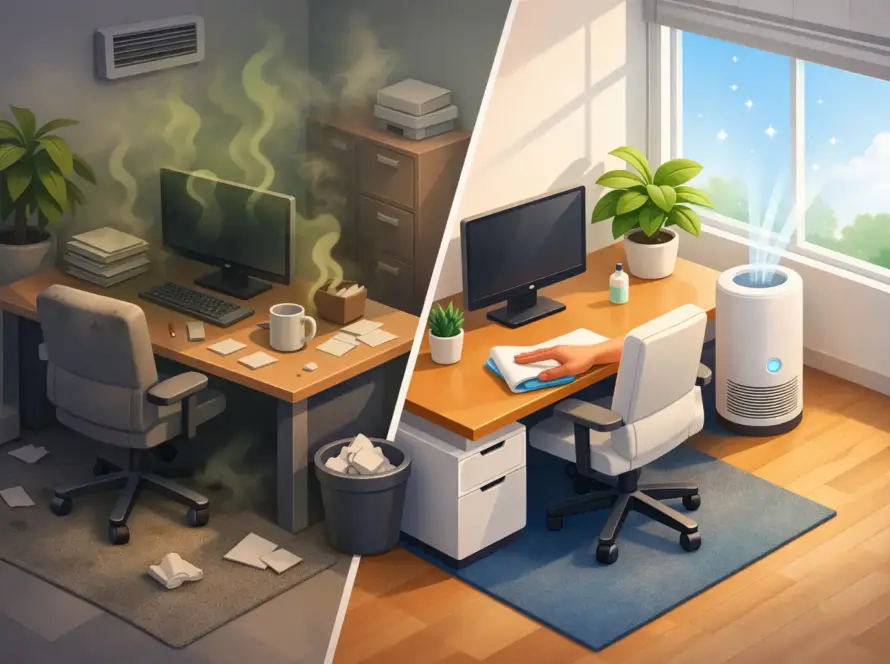
A move out cleaning is the final standard of care a space receives before keys change hands. Whether you are leaving a rental home, closing an office lease, or relocating a commercial operation, a clean handover helps protect your reputation, reduce last-minute disputes, and make the next step feel more manageable.
For tenants and business operators, this work is often squeezed between packing, paperwork, utility changes, and moving day logistics. A clear plan makes the difference. The goal is not simply to make the space look presentable. It is to leave it clean, fresh, and ready for inspection or its next occupant.
What Move Out Cleaning Should Accomplish
Move out cleaning is more detailed than a regular weekly or bi-weekly service. Recurring cleaning keeps dust, spills, and day-to-day buildup under control. A move-out service focuses on the areas that may be missed during normal use, including inside cabinets, behind furniture, baseboards, fixtures, and appliances.
For a home, the condition of the property can affect the return of a damage deposit. For an office or commercial unit, it can influence a landlord’s final inspection, an incoming tenant’s first impression, and the time needed before the space can be reoccupied. In both settings, the expectation is usually the same: the property should be empty, hygienic, and visibly cared for.
The exact standard depends on the lease, property manager, and condition of the unit. Some agreements require professional carpet cleaning, window cleaning, or specific restoration work. Cleaning can address dirt and buildup, but it cannot repair damaged flooring, holes in walls, broken fixtures, or permanent staining. Reviewing the lease early prevents unpleasant surprises when the move is already underway.
Start With the Handover Requirements
Before booking service or gathering supplies, read the move-out clause in your lease and ask the property manager for their inspection expectations. It is useful to get these details in writing, especially for commercial spaces with shared areas, washrooms, kitchens, or loading zones.
Confirm what must be removed from the premises. Cleaners can deliver a thorough result more efficiently in an empty space, but discarded furniture, boxes, electronics, and construction debris may require separate disposal arrangements. If the unit has been heavily used, tell the cleaning provider in advance. Honest details lead to a more accurate quote, enough time on site, and fewer surprises on cleaning day.
Office managers should also coordinate access. Arrange elevator reservations if needed, identify parking options, and ensure the team can enter after staff have removed files and equipment. If keys, fobs, alarms, or building rules are involved, document the process clearly. A well-coordinated move-out clean avoids delays that can affect both the cleaning team and the final walkthrough.
The Areas That Often Decide an Inspection
Kitchens and washrooms tend to receive the closest attention because they show grease, residue, soap scum, and hygiene issues quickly. In a residential kitchen, this often means cleaning the oven, stovetop, range hood, refrigerator, dishwasher, sink, countertops, cabinets, and drawers. In a staff kitchen or lunchroom, include microwaves, coffee stations, shared refrigerators, and any areas around waste and recycling bins.
Washrooms require more than a quick wipe of visible surfaces. Toilets, sinks, faucets, mirrors, tile, grout, dispensers, partitions, and floors all need attention. A clean washroom should look cared for and smell fresh without relying on heavily scented products to mask odours.
The rest of the property matters just as much. Dust can collect on vents, blinds, light fixtures, door frames, baseboards, ledges, and inside closets. Scuff marks may appear around entryways, corridors, workstations, and doors. Floors should be vacuumed or washed according to their material, with particular care around edges and under remaining built-ins.
A professional cleaner will generally work through the unit systematically rather than only addressing obvious messes. That attention to detail is valuable when the property has been occupied for years, when several employees have shared a workspace, or when time is limited before a final inspection.
A Practical Move Out Cleaning Checklist
A checklist is useful because moving can make even familiar tasks easy to overlook. The following areas should be confirmed before the final walkthrough:
- Empty and clean cabinets, drawers, closets, shelving, and storage rooms.
- Clean kitchen appliances inside and out, including filters and drip trays where accessible.
- Sanitize washroom fixtures and remove visible scale, soap residue, and dust.
- Dust high and low surfaces, including vents, baseboards, blinds, frames, and ledges.
- Vacuum carpets and clean hard flooring after all furniture and boxes are removed.
- Wipe doors, handles, switches, walls where appropriate, and interior glass.
- Remove garbage, recycling, personal items, and any materials not covered by the lease.
This list is a strong starting point, but it is not a substitute for the property’s specific requirements. An office with a server room, showroom, or food preparation area may need additional attention. A pet-friendly home may require odour treatment or more detailed hair removal. The right scope depends on how the space was used.
When Professional Cleaning Is Worth It
DIY cleaning can work for a small, lightly used space when you have time, appropriate equipment, and a clear understanding of what the landlord expects. It may be less practical when a move involves a large office, a tight possession date, heavy kitchen buildup, multiple washrooms, or a long list of inspection items.
Professional move-out cleaning provides consistency at a busy moment. Trained and insured cleaners bring an organized process, suitable products, and the ability to focus on details while you manage the move itself. For commercial tenants, it also gives the team a clear service record and helps avoid asking employees to handle intensive cleaning outside their regular responsibilities.
There are trade-offs to consider. A professional service is an added moving cost, and special requests may affect the quote. However, the time saved, the improved condition of the property, and the confidence of having skilled cleaners handle the final reset can make it a practical investment. Ask what is included, what requires an additional service, and whether satisfaction concerns can be addressed promptly after the clean.
Schedule the Clean at the Right Time
The best timing is usually after the space is fully emptied and before the final inspection. Cleaning too early can mean dust, footprints, and debris return while movers are still working. Cleaning too late can put unnecessary pressure on everyone involved.
For offices, plan around your move schedule and building access rules. A cleaning appointment after business hours may reduce disruption, while a weekend service may be helpful for a larger relocation. In Mississauga and the Greater Toronto Area, elevator bookings and building management approvals can affect timing, so it is wise to arrange these details well ahead of the handover date.
Take dated photos once the cleaning is complete and before returning the keys. Photos are not a replacement for a professional inspection, but they provide a useful record of the property’s condition. Keep copies of your lease, correspondence, and cleaning invoice together until the handover is fully settled.
Leave the Space Ready for What Comes Next
A successful move is not measured only by how quickly the last box leaves the building. It is also measured by the condition left behind. A clean property signals care to landlords, incoming occupants, clients, and staff, while giving you one less item to carry into your next chapter.
When the scope is significant or the deadline is tight, Clean and Tidy can help make the final handover feel straightforward, with detail-focused service tailored to your home, office, or commercial space.